Should You Move or Build an Addition?
For many homeowners, the biggest question isn't whether they need more space - it's whether they should move or expand the home they already love.
A few years ago, moving to a larger home often made sense. Today, many families are sitting on mortgage rates they may never see again. Giving up a 2%, 3%, or even 4% mortgage to purchase another home at today's rates can dramatically increase a monthly payment, even if the new house isn't significantly larger. As a result, many homeowners are choosing to invest in their current property instead of starting over somewhere else.
When a Home Addition Makes More Sense Than Moving
A home addition is often worth considering if:
You love your neighborhood.
Your children are established in local schools.
Your commute works well.
Your lot has room to expand.
You need more square footage but don't want a new mortgage.
After comparing moving costs, realtor commissions, closing costs, interest rates, and the price of a new home, you might find that adding onto your existing house may provide better long-term value as well.
Common Home Additions We Build
Some of the most common additions we see include:
Primary Suite Additions - A growing family often means parents are ready for a larger bedroom, walk-in closet, and private bathroom.
Additional Bedrooms - Whether it's a new baby, a returning college student, or multigenerational living, extra bedrooms remain one of the most requested additions.
Family Room Expansions - Many homes simply don't have enough gathering space. Expanding a living room or creating an open-concept layout can completely change how a home functions.
Home Offices - Remote and hybrid work are here to stay. A dedicated office often improves productivity while adding long-term value to the property. And after you retire - turn it into a wine room! (Just a thought.)
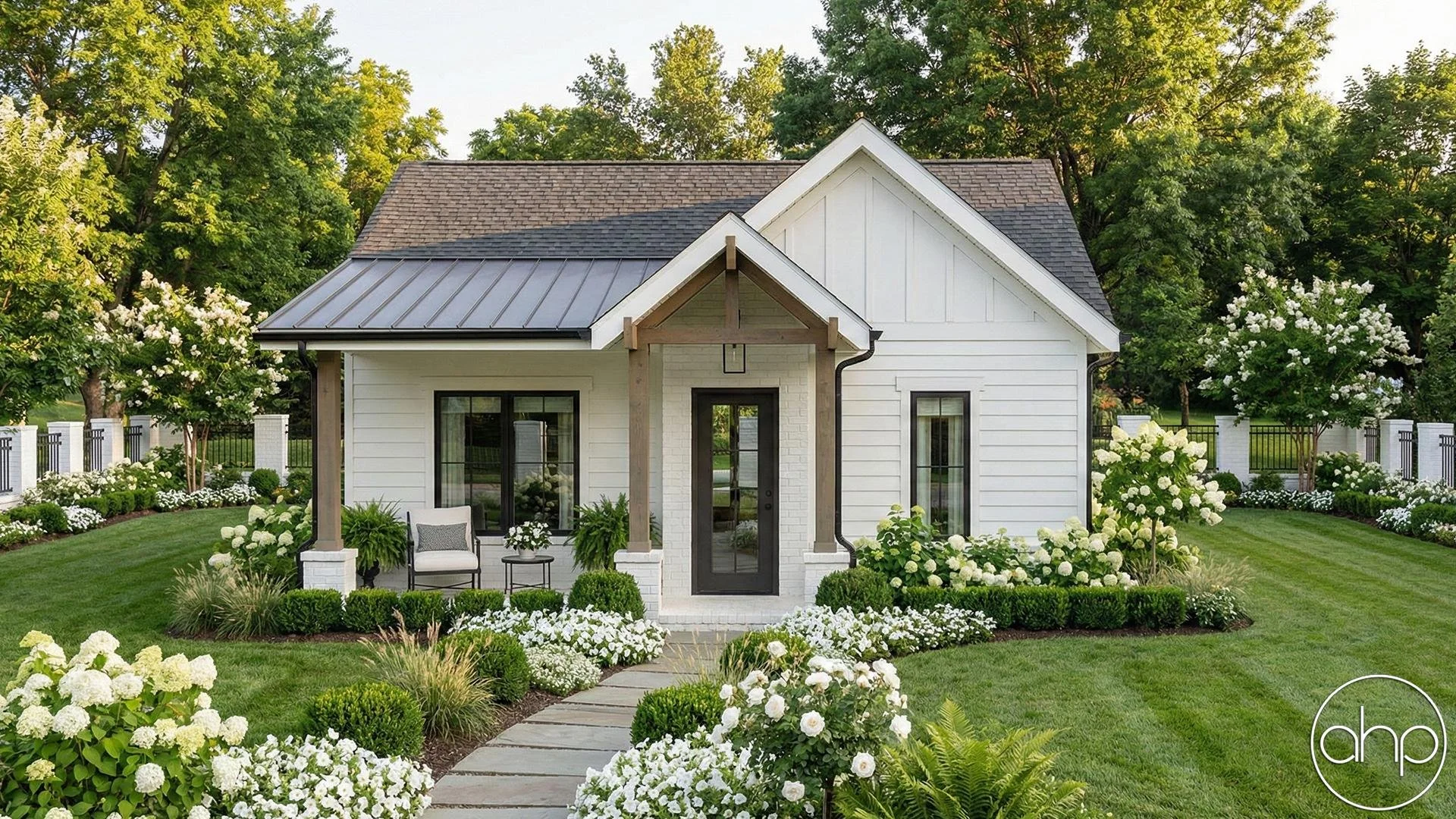
Casitas and Guest Suites - Guest accommodations, aging parents, and visiting family members are increasingly driving demand for detached living spaces.
What Determines the Cost of a Home Addition?
Every project is unique, but several factors influence the final budget:
Existing foundation conditions
Roof tie-in complexity
HVAC modifications
Plumbing and electrical requirements
Exterior finish matching
Site access
Permit and engineering requirements
The most successful additions are designed to look like they were always part of the original home - not an afterthought.
Why Choose Capricorn Concepts Construction
We approach additions differently than many contractors.
Our goal is not simply to add square footage. We focus on creating a seamless extension of your home that blends with the existing architecture, functions well for your family, and remains structurally sound for years to come.
Unlike larger production builders, every project receives direct oversight from Luke. With a background in architectural design and extensive field experience, he specializes in solving complex construction challenges, finding practical solutions, and helping homeowners maximize the potential of their existing homes.
Ever wonder if you’ll be able to find that contractor who can"figure out my weird house and make the addition not look tacked on?"
That's where Luke's skill set is genuinely a differentiator.
